
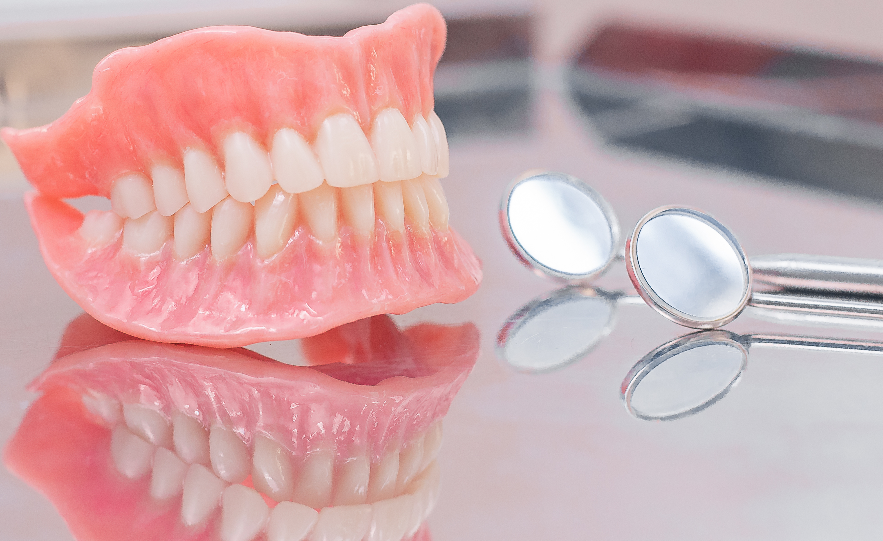
Dentures should help you eat, speak, and smile comfortably. If yours constantly slip, rub, or cause sore spots, though, they may not be fitting properly. While some adjustment is normal when you first receive dentures, ongoing discomfort isn’t something you simply have to live with.
Ill-fitting dentures can affect more than your comfort. They may also contribute to several oral health problems, which is why it’s important to have uncomfortable dentures evaluated by your dentist.
1. Gum Irritation and Sores
Dentures that don’t fit properly can rub against the soft tissues in your mouth. Repeated friction and pressure may cause irritated areas, redness, or painful sores along the gums.
If wearing your dentures regularly is becoming uncomfortable, don’t ignore the problem. Your dentist may be able to adjust the dentures so they fit more comfortably and reduce unnecessary pressure on your gums.
2. Difficulty Eating
One of the main benefits of dentures is being able to enjoy a variety of foods again. However, dentures that shift or move while you chew can make eating difficult.
You may find yourself avoiding certain foods because they’re uncomfortable to chew or worrying about your dentures slipping while you’re eating. A better fit can help improve stability and make everyday meals more enjoyable.
3. Trouble Speaking
Your dentures play a role in how your mouth forms certain sounds. When they don’t fit correctly, they can move around while you talk and make speaking more difficult.
You may notice changes in your speech, such as slurring or difficulty pronouncing certain words. While it can take time to adjust to new dentures, persistent problems may indicate that your dentures need professional attention.
4. Mouth Infections
Poorly fitting dentures can sometimes create areas where food particles and bacteria accumulate. If dentures aren’t cleaned properly, this buildup may increase the risk of irritation and certain oral infections.
Taking your dentures out as recommended, cleaning them properly, and maintaining good oral hygiene can help keep your mouth healthier. Regular dental visits are also important for monitoring the condition of your gums and other oral tissues.
5. Changes to Your Oral Tissues
Your mouth can change over time, even if your dentures originally fit well. The bone and gum tissue supporting dentures can gradually change after tooth loss, which may eventually cause dentures to become loose or unstable.
As the fit changes, continuing to wear the same dentures without an evaluation can contribute to additional irritation and discomfort. Your dentist can determine whether an adjustment, relining, or replacement may be appropriate.
Don’t Ignore Uncomfortable Dentures
Dentures shouldn’t leave you constantly dealing with pain, irritation, or difficulty eating and speaking. If your dentures no longer feel comfortable or secure, an examination can help identify the cause and determine the best solution.
A comfortable fit can make a big difference in both your daily life and your oral health.
About the Practice
Texas Dentistry and Braces provides dental care for children and families, with services designed to support healthy smiles through different stages of life. The practice offers denture care for patients who need tooth replacement and focuses on providing personalized treatment based on each patient’s needs. Our team looks forward to welcoming new patients.
Call us at (972) 932-3918 or schedule your appointment online