
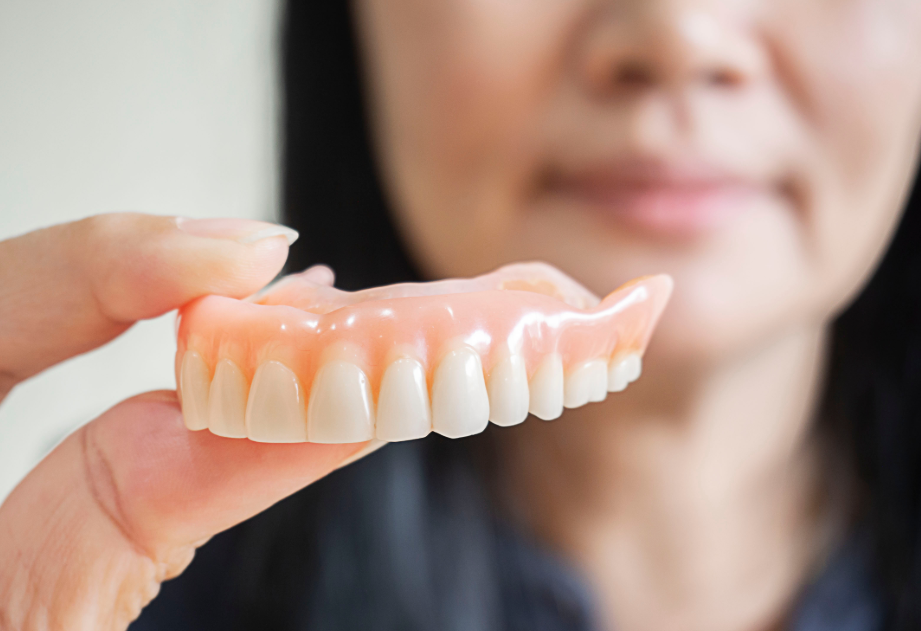
Food is about more than simply satisfying hunger. The flavors, aromas, textures, and temperatures we experience can make a meal enjoyable and memorable. So, if you’ve recently started wearing dentures and noticed that your favorite foods don’t seem to taste quite the same, you’re not imagining things. Dentures can affect how some people experience flavor, although the extent of the change varies from person to person.
Why Can Dentures Affect Taste?
Your taste buds are primarily located on your tongue, but taste is only one part of how you experience flavor. Your sense of smell, saliva, temperature, texture, and the way food moves around your mouth all contribute to the overall eating experience.
Traditional upper dentures cover much of the roof of your mouth. This can change how food interacts with the tissues in your mouth and may alter your perception of temperature and texture. Some people may consequently feel that foods taste less intense after getting dentures.
Research supports the idea that conventional complete dentures can influence the perception of basic tastes, including sweet, salty, sour, and bitter, although studies have found different results. In other words, dentures may affect taste for some people, but they don’t necessarily cause a noticeable change for everyone.
What Else Can Change Your Sense of Taste?
If food suddenly seems bland after getting dentures, the dentures themselves may not be the only factor involved. Aging can naturally affect taste and smell, while certain medications, dry mouth, health conditions, and oral hygiene issues can also change how foods taste.
There’s also an adjustment period when you first begin wearing dentures. Your mouth needs time to become accustomed to the new appliance. As you learn to chew and speak comfortably with your dentures, your overall eating experience may improve.
Keeping your dentures clean is another important step. Food particles, bacteria, or buildup on a denture can contribute to an unpleasant taste or odor. Follow your dentist’s cleaning recommendations and remove your dentures as directed to give your mouth a chance to rest.
How Can You Improve Your Taste Sensation?
If you’re unhappy with changes in taste, talk with your dentist rather than simply accepting the problem as unavoidable. Your dentures may need an adjustment, particularly if they feel uncomfortable or aren’t fitting properly.
You can also focus on foods with different textures, aromas, and temperatures to make meals more interesting. Fresh herbs, spices, citrus, and naturally flavorful ingredients can add variety without relying solely on extra salt or sugar.
For some people, implant-supported dentures may be another option worth discussing. Unlike traditional removable dentures, implant dentures are anchored to dental implants, which can provide greater stability while eating. Depending on your individual situation, this type of restoration may also change how much of the palate needs to be covered.
Enjoying Food With Your Dentures
Your dentures should help you enjoy everyday life, not make meals something you dread. If you’re experiencing persistent changes in taste, discomfort, or difficulty eating, a dental evaluation can help determine whether your dentures or another issue may be contributing.
With the right fit and care, you can find ways to make mealtimes enjoyable again.
About the Practice
Texas Dentistry & Braces provides comprehensive dental care for children and families in Mesquite, Texas. The practice offers a range of restorative services designed to help patients maintain comfortable, functional smiles, with an emphasis on personalized care and creating a welcoming dental experience. The dental team provides care tailored to patients’ individual needs and works with families to support healthy smiles at every stage of life.
Call us at (972) 563–9444 or schedule your appointment online.